El pasado 12 de febrero, nuestro socio Juan David Gutiérrez, participó como panelista en el foro “Inteligencia artificial y proceso” que tuvo lugar en el Instituto Colombiano de Derecho Procesal (ICDP). Junto con Juan David también presentó la doctora Lorena Flórez, profesora de la Universidad de los Andes. La presentación de nuestro socio centró principalmente en la incidencia de la inteligencia artificial respecto de problemas jurídicos asociados al derecho de la competencia y la protección datos personales. Las diapositivas usadas por Juan David están disponibles acá.
La conferencia ya está disponible en video que cargó el ICDP en su canal de Vimeo y de YouTube:
Escrito junto con otros 18 autores. Publicado por el capítulo América Latina de la Academic Society for Competition Law (ASCOLA).
Esta obra colectiva presenta visiones y testimonios diversos de 19 expertos sobre cómo América Latina y el Caribe ha abordado los retos generados por el COVID-19 en relación con el el derecho y la política de la competencia. El libro, editado por Juan David Gutiérrez, también ofrece reflexiones sobre cómo y por qué debería adaptarse el derecho de la competencia y su implementación en el contexto de la pandemia. El libro consta de diecinueve capítulos, incluyendo la introducción, que estudian diez jurisdicciones de nuestra región: Argentina, Brasil, Chile, Colombia, Costa Rica, Ecuador, El Salvador, México, Perú y República Dominicana.
Citación sugerida: Gutiérrez R., J. D. (Ed.). (2020). Retos del COVID-19 para el derecho y la política de competencia en América Latina y el Caribe. Bogotá, Colombia: Capítulo América Latina de ASCOLA.
Doing a doctorate is a long, often solitary, and complex quest. While the process is usually gratifying and interesting, sometimes it is also stressful. The ultimate goal of doctorate students is to become independent researchers, capable of conducting rigorous investigations that contribute to the understanding of pertinent social or natural phenomena.
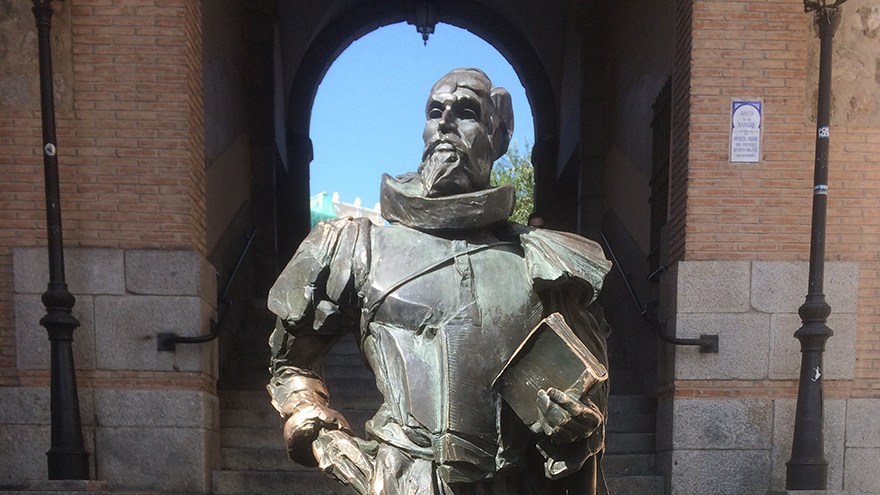
Una estatua de Miguel de Cervantes en Toledo, España. Imagen del autor.
During this time, I faced many of the common difficulties that a PhD student can encounter: anxiety about the future, financial inflexibility, and even health issues. I wrote these lines to share with current and potential PhD students my thoughts about the pitfalls one has to face to get to the other side.
DPhil students have to surpass all sorts of challenges along the way. Some of the difficulties are directly related to their research, such as dealing with endogeneity and spuriousness while testing the association of two variables, or making sense out of piles of qualitative evidence (interviews, archives, direct observation etc.). Overcoming these challenges requires building research skills, diligence, patience and good guidance from supervisors. Strengthening those basic abilities are the core objective of a doctorate and represent real tests that students must surpass.
However, there are other challenges that may appear in the path that are not directly related with research and that may be even more difficult to deal with. Carrying out a long-term project that requires being skeptical about evidence and avoiding to take things for granted may end up generating anxiety and insecurity at a personal level.
For example, a well-known problem that many doctoral students face in their journey, and many people who undertake new projects in competitive environments, is the so-called “imposter syndrome” which make competent and capable people feel that they are actually a fraud and that can generate feelings and conducts that inhibit progress in work.
During the DPhil/ PhD path one may end up believing there are problems (“I am not good enough”) that are actually just the product of one’s imagination. These non-existent challenges (other than in one’s mind) can actually become real problems when they are not dealt with properly and can end up in self-sabotage.
How to avoid these illusory traps? Enter Don Quixote. In the novel written by Miguel de Cervantes, the character of Don Quixote is described as a man who dreams of being a knight that brings justice to the world, while entering into all sorts of deceptive adventures. Don Quixote often attributed his problems to external factors, such as wizards and demons, rather than facing reality. A lesser-known character in the novel is Sansón Carrasco, a bachelor from Salamanca University who tries to bring Don Quixote to his senses and eventually achieves it by the end of the novel in a forceful way.
In the remaining paragraphs, I will try to imitate bachelor Carrasco and provide five pieces of advice to help others unmask Don Quixote as I did with my own Don Quixote condition.
1. Maintain realistic expectations.
Don Quixote started his journeys with unrealistic expectations. He dreamed of castles, princesses and great feats. Sometimes students begin their work with high expectations about their thesis, dreaming of Nobel Prizes and titanic contributions to the existing literature. Carrasco’s advice: The doctorate work requires meeting certain quality standards, but it will probably not be the best piece of written work that you will ever complete. After all, a student is an apprentice, not an expert in research. Hence, it is sensible to establish from the start more grounded expectations about the DPhil outcome.
2.Identify the real priorities and focus on them.
Don Quixote confused modest inns with castles, windmills with giants and puppets with foreign armies. Carrasco’s advice: During the DPhil/ PhD road it will be important to identify which problems are real, which are the priorities in each stage, and to avoid confusing the normal travails and difficulties of a doctorate with dead-end streets. Focusing in real problems linked with the research and avoiding illusory problems will help to advance the work.
3.Plan ahead and get the skills and tools that you need.
Don Quixote sometimes attempted to accomplish athletic achievements. However, he never achieved them because he was simply ill-suit or under-equipped to undertake them. He did not train to be stronger or faster and instead had a sense of entitlement that prevented him from preparing properly. Carrasco’s advice: There are myriad opportunities to get the required training, it is just a matter of taking advantage of them. Your department will certainly offer pertinent courses for learning about research methods or tools, but it is sensible to look beyond. It may be worth to check other departments or even visit another university during the summer to acquire very specialized knowledge. Moreover, there are good quality online courses and some of them are free.
4. Make sure you are in good company.
Don Quixote was accompanied by an unintelligent and self-interested person, his squire Sancho Panza. Sancho greedily plays along waiting for his reward. Carrasco’s advice: Make sure that you have good travel partners for the doctorate expedition. Aside from your supervisors, there are other sources of sensible advice that will come in handy. Your colleagues in the DPhil room will face very similar encounters and may share with you their own experiences. Just knowing that your peers have to deal with the same problems may help you understand and normalize your tribulations. In my case, for example, I found that having friends who were not part of the academy helped me to stand my ground and understand life events in their proper proportion.
5. Breaking the silence to expose self-created challenges.
Once Don Quixote came across real lions and he demanded their handler to unlock the cages so he could prove how courageous he was. No one was asking him to prove any point nor to look brave, he dragged himself into trouble. Carrasco’s advice: Challenges created by oneself are common among DPhil students. An example of such situation is the “imposter syndrome”. How to unveil it? There are multiple strategies to interrupt patterns of this syndrome. I will underscore one of them that was particularly helpful for me: talk with others about your feelings. Do not let that these beliefs stay within and, if in need, seek support.
I started writing this post a year before I submitted my thesis. It was a means for becoming aware of the type of difficulties I was facing. It was also a way of dealing with my insecurities and using them constructively. I do not think that the doctoral experience is a bed of roses. But, if the DPhil/ PhD road is hard in itself, one should not make it harder.
One of the lessons that I learned from my DPhil is that one should try to recognise and avoid illusory pitfalls and focus on the real challenges that appear on the way. In my case, seeing the light at the end of the tunnel was possible thanks to the support of many people, including my supervisors, colleagues, administrative staff, friends and my wife. To all of them, thank you for helping me unmask Don Quixote!
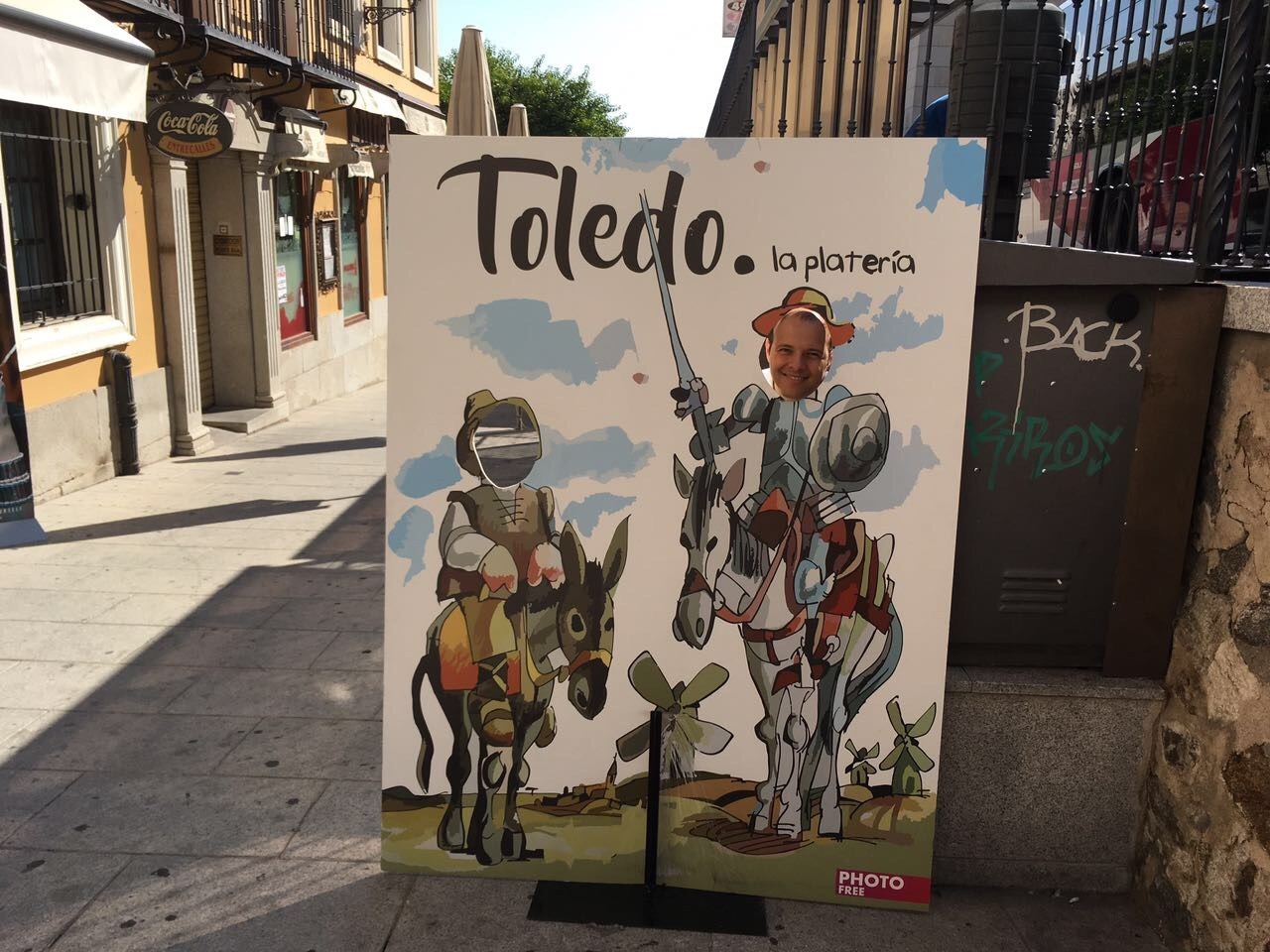
Actuando como Don Quijote en Toledo, España.
Books:
Dunleavy, P. (2003). Authoring a PhD : how to plan, draft, write, and finish a doctoral thesis or dissertation. Basingstoke: Palgrave Macmillan.
Note: This article was originally published in English on the Oxford University School of Government blog on October 10, 2018 and in Spanish on the GPP Forum blog on August 3, 2019. My thanks to Sarah M. Muñoz Cadena for their assistance in translating the English text into Spanish.
Hacer un doctorado es una expedición prolongada, compleja y algunas veces solitaria. Si bien el proceso casi siempre es gratificante e interesante, también puede ser muy estresante. El objetivo final de un estudiante de doctorado es convertirse en un investigador independiente, con la capacidad de conducir una investigación rigurosa que contribuya a entender fenómenos sociales o naturales pertinentes. El proyecto de tesis es un medio para este fin, y no el único objetivo del programa de doctorado. Sin embargo, el PhD termina efectivamente con una defensa exitosa de la tesis ante un panel de expertos. Después de todo, como muchos estudiantes de doctorado escuchan de sus supervisores, “la mejor tesis es la tesis terminada”.
Una estatua de Miguel de Cervantes en Toledo, España. Imagen del autor.
El 18 de diciembre de 2018 defendí exitosamente mi tesis doctorado, día que – confieso – por momentos pensé que nunca llegaría. Pero, finalmente crucé la línea de “tesis finalizada y aprobada” después de cuatro años de haber iniciado el proyecto de doctorado. Durante este tiempo, enfrenté muchas de las dificultades comunes que un estudiante de doctorado puede encontrar: la ansiedad acerca del futuro, la inflexibilidad financiera e incluso problemas de salud. Escribí estas líneas para compartir con los actuales o potenciales estudiantes de PhD mis pensamientos acerca de las trampas que uno tiene que enfrentar para llegar al otro lado.
Los estudiantes de doctorado tienen que superar una serie de desafíos a lo largo del camino. Algunas de estas dificultades están directamente relacionadas con su investigación. Otras tienen que ver con la endogeneidad y la espuriedad al probar la asociación entre dos variables, o encontrar patrones en la evidencia cualitativa (entrevistas, archivos, observaciones directas, etc.). Superar estos desafíos requiere desarrollar habilidades de investigación, diligencia, paciencia y una buena guía u orientación por parte de los supervisores. Fortalecer esas habilidades básicas es el principal objetivo de un doctorado y representan la prueba real que los estudiantes deben superar.
Sin embargo, hay otros retos que pueden aparecer en el camino y que no están directamente relacionados con la investigación y que incluso pueden ser más difíciles de enfrentar. Llevar a cabo un proyecto de largo plazo requiere ser escéptico sobre la evidencia y evitar dar las cosas por sentado, lo que puede terminar generando ansiedad e inseguridad a nivel personal. Por ejemplo, un problema muy conocido, que muchos estudiantes doctorales enfrentan en su día a día y común también para personas que inician proyectos en ambientes competitivos, es el llamado “síndrome del impostor”. El síndrome hace sentir a personas competentes y capaces que ellos son un fraude, generando sentimientos y conductas que inhiben el progreso en el trabajo.
Durante el PhD uno podría creer que no hay problemas (“yo no soy suficientemente bueno”) que en últimas solo son el producto de la propia imaginación. Estos desafíos que son ilusorios, pues no existen en lugar distinto a la propia mente del estudiante, pueden convertirse en serios problemas cuando no se lidia con estos apropiadamente y pueden terminar en situaciones de auto sabotaje.
¿Cómo superar estas trampas ilusorias? Entre en escena, Don Quijote. En la novela escrita por Miguel de Cervantes, el personaje de Don Quijote es descrito como un hombre que sueña con ser un caballero que traiga la justicia al mundo, mientras se adentra en una seria de aventuras engañosas. Don Quijote suele atribuir sus problemas a factores externos, como magos y demonios, en lugar de enfrentar la realidad. Un personaje menos conocido en la novela es Sansón Carrasco, un bachiller de la Universidad de Salamanca que trata de lograr que Don Quijote recupere el sentido y, eventualmente, lo hace al final de la novela de una manera contundente.
Imitando al bachiller Carrasco daré cinco consejos para ayudar a otros a desenmascarar a Don Quijote como yo lo hice en mi propia condición de Don Quijote versión PhD.
1. Mantener expectativas realistas.
Don Quijote comenzó sus viajes con expectativas poco realistas. El soñaba con castillos, princesas y grandes hazañas. A veces los estudiantes empiezan su trabajo con grandes expectativas acerca de sus tesis, soñando con un premio Nobel o con una contribución titánica a la literatura existente. El consejo de Carrasco es: el trabajo de doctorado requiere cumplir con ciertos estándares de calidad, pero ésta probablemente no será la mejor pieza de trabajo que usted pueda completar. Después de todo, un estudiante es un aprendiz no un experto en investigación. Por lo tanto, es sensato establecer desde el principio expectativas más aterrizadas acerca de lo que puede lograr con su PhD.
2.Identifique las prioridades reales y concéntrese en ellas.
Don Quijote confundía modestas posadas con castillos, molinos de viento con gigantes y marionetas con ejércitos extranjeros. El consejo de Carrasco: durante el camino del PhD es muy importante identificar cuál es el verdadero problema, cuáles son las prioridades en cada etapa y evitar confundir las tribulaciones y dificultades normales de un doctorado con un callejón sin salida. Enfocarse en los problemas reales vinculados con la investigación y evitar los problemas ilusorios le ayudará a avanzar en el trabajo.
3.Planee con antelación y consiga las herramientas que usted necesita.
Don Quijote algunas veces intentó conseguir logros atléticos. Sin embargo, él nunca los alcanzó porque él simplemente no era apto o estaba mal equipado para lograrlo. Él no entrenaba para ser suficientemente fuerte o rápido y, en cambio, tenía una sensación de derecho o privilegio (entitlement) que le impedía prepararse apropiadamente. El consejo de Carrasco: hay numerosas oportunidades para conseguir el entrenamiento o la capacitación apropiada, solo es cuestión de aprovecharlas. Su departamento o facultad seguramente ofrecerá cursos pertinentes para aprender métodos y herramientas de investigación, pero es importante buscar más allá de estos. Vale la pena explorar en otros departamentos o facultades e incluso visitar otras universidades durante el verano para adquirir un conocimiento especializado. Además, hay buenos cursos en línea y algunos de ellos son gratis.
4. Asegúrese de tener la compañía apropiada.
Don Quijote estaba acompañado por una persona poco inteligente e interesada en sí misma, su escudero Sancho Panza. Sancho le “sigue la cuerda” con codicia y esperando su recompensa personal. El consejo de Carrasco: asegúrese de que usted tiene buenos compañeros de viaje para la expedición del doctorado. Además de sus supervisores, hay otras personas que le pueden ofrecer consejos razonables que le serán muy útiles. Sus colegas del PhD enfrentarán situaciones similares y podrían compartirle sus propias experiencias. El solo hecho de saber que sus compañeros que deben lidiar con problemas similares podría ayudarle a entender y normalizar sus tribulaciones. En mi caso, por ejemplo, encontré que tener amigos que no eran parte de la academia me ayudaba a mantenerme firme y a entender los acontecimientos de la vida en su debida proporción.
5. Romper el silencio para exponer los desafíos auto-creados.
Una vez Don Quijote se encontró con leones reales y exigió al carretero encargado de transportarlos que abriera las jaulas para poder demostrar lo valiente que era. Nadie le estaba pidiendo que probara su valía o coraje, pero él se metió a sí mismo en problemas. El consejo de Carrasco: los desafíos creados por uno mismo son comunes entre los estudiantes de doctorado. Un ejemplo de esta situación es el “síndrome del impostor”. ¿Cómo superarlo? Hay múltiples estrategias para dejar de sufrir este síndrome. Una que me fue particularmente útil fue hablar con otros acerca de mis sentimientos. Si no puede librarse de estos sentimientos por sí mismo, no lo piense dos veces: busque apoyo.
Empecé a escribir este post un año antes de presentar mi tesis. Era un medio para tomar conciencia del tipo de dificultades que estaba enfrentando. También era una manera de lidiar con mis inseguridades y de usarlas constructivamente. No pienso que la experiencia del doctorado sea un camino de rosas. Pero, si el camino del PhD es duro en sí mismo, uno no debería hacerlo más difícil.
Una de las lecciones que yo aprendí de mi doctorado es que uno debería tratar de reconocer y evitar las trampas ilusorias y centrarse en los desafíos reales que aparecen en el camino. En mi caso, fue posible ver la luz al final del túnel gracias al apoyo de muchas personas, incluyendo a mis supervisores, colegas, personal administrativo, amigos y mi esposa. ¡A todos ellos, gracias por ayudarme a desenmascarar a Don Quijote!
Actuando como Don Quijote en Toledo, España.
Libros:
Dunleavy, P. (2003). Authoring a PhD : how to plan, draft, write, and finish a doctoral thesis or dissertation. Basingstoke: Palgrave Macmillan.
Nota: Este artículo fue publicado originalmente en inglés en el blog de la Escuela de Gobierno de la U. de Oxford el 10 de octubre de 2018 y en castellano en el blog Foro GPP el 3 de agosto de 2019. Agradezco a Sarah M. Muñoz Cadena por su asistencia en la traducción del texto en inglés al castellano.
In 2015 I did three months of field work in Colombia for my doctoral thesis in public policy. During these three months’ time, I carried out 72 semi-structured interviews with a range of actors related to natural resource governance in the country. The list included public officials, politicians, journalists, academics, members of extractive companies and NGOs. The objectives of my work were threefold: 1) map the actors that influence decision-making processes regarding investment of natural resource rents by local governments, 2) identify the formal and informal rules that operate in these processes, and 3) explore the drivers of public investment decisions.
This was the first time I conducted this type of work at a DPhil level and I wanted to make the most of my time in the field. Different courses at Oxford and a few texts guided my preparatory work. However, after being on the ground I must confess that it was the student testimonials of DPhil colleagues at the University that helped me the most. This is why I decided to share my fieldwork “takeaways” with you.
Below you will find ten thoughts on the process of preparing, carrying-out and processing elite interviews. One important caveat: this is not a one-size-fits-all exercise. The topic and research questions, the type of interviewees and the context where the fieldwork is carried out will affect how you prepare and implement your research. Moreover, although these issues are pertinent to most social sciences researchers, perhaps my contribution will be particularly relevant if you are researching policy-related issues.
Preparing for fieldwork
Ethical implications.Ethics clearance is not only a bureaucratic process and you should take it seriously. When researching public policy, you may want to ask your interviewee about topics that involve sensitive political issues and you may even get answers about criminal activities (from third parties or even self-incrimination!). Hence, you really have to think about the ethical implications of your research. For example, how to ensure confidentially and anonymity? What’s your strategy to obtain consent? Your research design should put the interviewees’ welfare and security as a top priority.
Networking and access.Before requesting interviews to prospective interviewees, it may be helpful to get acquainted with them. Frequently, if you contact the interviewee through another person that introduces him or her to you the interview will flow more smoothly. A colleague who researches human trafficking policy told me that he spent more time building connections before formally contacting people for interviews improved access, particularly when dealing with public officials and politicians.
Draft, draft, draft.Draft model emails you will use, for example, to request interviews or simply to introduce yourself or your research. Believe me, this will save you time.
During interviews
Patience. Arrive a bit earlier to your interview. Sometimes you will be able to speak with the person before the agreed time and you may win valuable time. Bring a book in case, public officials and politicians tend to postpone or delay meetings. Waiting hours in public transport or for an interviewee to show up is not infrequent. Having something to do meanwhile helps to cope with these situations.
Icebreaking and warm-up.Try to start with a topic that makes the person comfortable even if the query is not related to the research. Also, it is helpful to begin by asking the interviewee who they are and what they do. Even if you already know their background, politicians and senior public officials like to talk about themselves… so it is a good warm-up!
Some key queries.Regardless of your topic, I found some silver-bullet questions that I suggest you bear in mind. For example: When the interviewee makes a key statement, but it is not clear why he or she knows it, ask why! Do not forget asking an essential ethics issue: May I cite you and how? Finish the interview by asking about other people to contact or about any other thing they would like to add. In some interviews, this last query was key to get information that otherwise I would not have obtained.
Processing as go. Whether you are transcribing the interviews or just taking notes on the most important points, it is sensible to start processing the data from day one. If you are not audio recording, write down right away your notes on the interviews, don’t let too much time pass. If you delay the transcription you are likely to find the accumulation of work very burdensome and maybe you will forget things that you were not able to annotate during the interview.
It is not just about interviewing.Do not underestimate administrative work required to conduct interviews! Researching the background of your interviewees, organizing your day-to-day agenda, contacting people… even getting around the city or between meetings may take hours every day.
Back from the field
Decanting your experience. Talk to other colleagues about your experience, this will help you reflect on what you can do better next time (as I am doing right now!). It is reassuring to know that others had to struggle with similar issues and to learn how others cope with the challenges of fieldwork.
Brushing and rinsing.Making sense of the data is probably the biggest challenge I have encountered so far. Sometimes I am in the stage where I am processing my data to distinguish between information, perceptions and patterns that are pertinent for my research from those that have other type of pertinence. For example, some anecdotes from my fieldwork may be great icebreakers for pub-talk and even for academic presentations, but they are not central to my research.
To finish, I have three extra messages that are a bit more personal, but I think may be particularly interesting for those of you who are going to jump for the first time into the fieldwork experience. First, getting to know so many new people in a short span of time is a great experience. Embrace that idea and enjoy meeting new people! Second, humility, not false modesty, should guide your mission of learning from your interviewees. Third, sometimes we forget the obvious: in an interview, listening is essential. Only as you give your full attention to listening to what they are saying can you gather more information. Not in vain nature provides us with two ears and a single mouth.
SUGGESTED LITERATURE ON CONDUCTING INTERVIEWS:
Alvarez-Gayou, J. (2003). Cómo hacer investigación cualitativa: Fundamentos y Metodología. México: Paidós.
Hernández Sampieri, R., Fernández Collado, C., & Baptista Lucio, P. (2010). Metodología de la investigación (5a. ed.). México: McGraw-Hill.
Guber, R. (2001). La etnografía: Método, campo y reflexividad (Enciclopedia latinoamericana de sociocultura y comunicación, 11). Bogotá: Grupo Editorial Norma.
Leech, B. L. (2002). Asking Questions: Techniques for Semistructured Interviews. PS: Political Science and Politics, 35(4), 665–668.
Mosley, L. (2013). Interview research in political science. Ithaca: Cornell University Press.
El blog del profesor Raul Pacheco-Vega tiene una entrada con apuntes de lectura del libro editado por Mosley.
Rathbun, B. C. (2008). Interviewing and Qualitative Field Methods: Pragmatism and Practicalities. En J. M. Box-Steffensmeier, H. E. Brady, & D. Collier (Eds.), The Oxford Handbook of Political Methodology.
Strauss, A., Corbin, J., & Zimmerman, E. (2002). Bases de la investigación cualitativa: Técnicas y procedimientos para desarrollar la teoría fundamentada (Contus). Medellín (Colombia): Universidad de Antioquia.
Note:A previous version of this article was published in English in November 2015 on the blog of the U. Oxford School of Government and later it was published in Spanish, July 2019, on the GPP Forum blog. I thank Sarah M. Muñoz Cadena for assisting me in translating the text from English to Spanish.
En el 2015 realicé tres meses de trabajo de campo en Colombia para mi tesis de doctorado en política pública. Durante estos tres meses realicé 72 entrevistas semi-estructuradas con una serie de actores relacionados con el gobierno y la administración de los recursos naturales en el país. La lista incluía funcionarios públicos, políticos, periodistas, académicos, miembros de empresas extractivas y ONGs. Los objetivos de mi trabajo eran tres: 1) mapear los actores que influencian el proceso de toma de decisiones con respecto a la inversión de las rentas de recursos naturales por los gobiernos locales, 2) identificar las reglas formales e informales que operan en este proceso y 3) explorar los conductores/impulsores de las decisiones de inversión pública.
Esa fue la primera vez que realicé este tipo de trabajo a un nivel de doctorado y quería aprovechar al máximo mí tiempo en terreno. Diferentes cursos en la U. Oxford y algunos textos guiaron mi trabajo preparatorio. Sin embargo, después de estar en campo, tengo que confesar que fueron los testimonios de mis colegas en la universidad los que más me ayudaron para organizar mi proyecto. Esta es la razón por la cual he decidido compartirles mi experiencia en el trabajo de campo.
A continuación, encontrarán diez ideas acerca del proceso de preparación, desarrollo y procesamiento de las entrevistas. Cabe aclarar que no existe una receta única o correcta para organizar el trabajo de campo. El tema y las preguntas de investigación, el tipo de entrevistados y el contexto donde el trabajo de campo se desarrollará, afectarán la forma como usted debe prepararse y la manera como implementará su investigación. Además, aunque estos temas son pertinentes para la mayoría de investigadores en ciencias sociales, tal vez mi contribución será particularmente relevante para aquellos que están investigando temas relacionados con políticas.
Preparación para el trabajo de campo
Implicaciones éticas. El consentimiento informado que debe solicitarse a cada persona entrevistada no es un simple paso burocrático, sino que es un paso que debería tomarse en cuenta seriamente. En el marco de una investigación en política pública, es posible que desee preguntarle a su entrevistado acerca de temas que involucran cuestiones políticas sensibles, e incluso podría obtener respuestas sobre actividades delictivas (de terceras personas o auto-incriminatorias). Por lo tanto, usted realmente debe pensar en las implicaciones éticas de su investigación. Por ejemplo, ¿cómo asegurar la confidencialidad y el anonimato? ¿Cuál es su estrategia para obtener el consentimiento? Ante todo, su investigación debería priorizar el bienestar y la seguridad de los entrevistados.
Redes y acceso. Antes de solicitar una cita a un posible entrevistado, podría ser útil conocer un poco acerca de él o ella. Es frecuente que si usted se contacta con el entrevistado a través de otra persona que los presenta la entrevista puede fluir mejor. Un colega que investiga la política de la trata de personas me contaba que gastaba más tiempo construyendo conexiones, antes de contactar formalmente a los entrevistados, para mejorar su acceso, particularmente cuando hay que tratar con funcionarios públicos o con políticos.
Borrador del borrador del borrador. Realice modelos de borrador de emails que usted usaría, por ejemplo, para solicitar una entrevista o simplemente para presentarse a usted mismo o a su investigación. Créame, esto le ahorrará tiempo.
Durante las entrevistas
Paciencia. Llegue un poco antes de la hora acordada para la entrevista. Algunas veces usted podría hablar con la persona antes del momento acordado y eso significa ganar tiempo valioso. Lleve un libro por si acaso: los funcionarios públicos y los políticos tienden a posponer o cancelar citas. Las horas de espera en el transporte público o para una entrevista son muy comunes, tener algo que hacer mientras tanto le ayuda a lidiar con la situación.
Rompiendo el hielo y subiendo el calor. Trate de comenzar con un tema que le haga sentirse cómodo a su entrevistado, incluso si esto no está relacionado con su investigación. También, puede ser de ayuda empezar por preguntar al entrevistado quien es y qué es lo que hace, aun cuando usted conoce previamente sus antecedentes. Por ejemplo, a los políticos les gusta hablar acerca de ellos mismos.
Algunos puntos importantes. Independientemente de su tema, encuentre algunas preguntas silver bullet o “bala de plata” en su repertorio. Por ejemplo: cuando el entrevistado hace una declaración clave pero no está claro por qué lo sabe, ¡pregunte por qué! No te olvide preguntar una cuestión de ética esencial: ¿puedo citarlo y cómo puedo citarlo? Termine la entrevista preguntando por otras personas para contactar o por cualquier otra cosa que les gustaría agregar. En algunas entrevistas, esta última pregunta fue clave para obtener información que no habría obtenido de otro modo.
Haciendo el procesamiento. Independientemente de si usted está transcribiendo las entrevistas o simplemente tomando notas de los puntos más importantes, es importante comenzar con el procesamiento de datos desde el día uno. Si usted no tiene una grabación de audio, escriba de inmediato sus notas sobre las entrevistas, no deje pasar demasiado tiempo. Si usted demora la transcripción se va a acumular de trabajo y, probablemente, se va a olvidar de cosas importantes que no anotó durante la entrevista.
No se trata solo de hacer entrevistas. ¡No subestime el trabajo administrativo que se requiere para conducir las entrevistas! La investigación del contexto, de los antecedentes de sus entrevistados, organizar la agenda día a día, contactar personas… incluso moverse por la ciudad o entre reuniones puede tomarle varias horas al día.
Volviendo del campo
Decantando su experiencia. Hablar con otros colegas acerca de su experiencia puede ayudarle a hacerlo mejor la próxima vez (como yo lo estoy haciendo ahora). Es bueno saber que hay otros lidiando con las mismas dificultades y hay que aprender cómo otros enfrentan los retos en el trabajo de campo.
Cepillado y enjuague. Darle sentido a los datos es probablemente el desafío más importante que he encontrado. Algunas veces me encuentro en la etapa donde estoy procesando los datos para distinguir entre la información, las percepciones y los patrones que son pertinentes para mi investigación de aquellos que tienen otro tipo de pertinencia. Por ejemplo, algunas anécdotas de mi trabajo de campo serían geniales para romper el hielo en una reunión social e incluso en una presentación académica, pero estas no son el foco central de mi investigación.
Para finalizar, tengo tres mensajes extras que son un poco más personales, pero que creo podrían ser particularmente interesantes cuando alguien salta a su primera experiencia de trabajo de campo. Primero, conocer a muchas nuevas personas en tan poco tiempo es una gran experiencia. ¡Aproveche y conozca gente nueva! Segundo, la humildad, no la falsa modestia, debería guiar la misión de aprendizaje de los entrevistadores. Tercero, a veces se nos olvida lo más obvio: en una entrevista es fundamental escuchar. Solo en la medida en que ponga toda su atención a escuchar aquello que le están diciendo podrá recabar más información. No en vano la naturaleza nos provee de dos oídos y una sola boca.
Literatura sugerida acerca de cómo conducir entrevistas:
Alvarez-Gayou, J. (2003). Cómo hacer investigación cualitativa: Fundamentos y Metodología. México: Paidós.
Hernández Sampieri, R., Fernández Collado, C., & Baptista Lucio, P. (2010). Metodología de la investigación (5a. ed.). México: McGraw-Hill.
Guber, R. (2001). La etnografía: Método, campo y reflexividad (Enciclopedia latinoamericana de sociocultura y comunicación, 11). Bogotá: Grupo Editorial Norma.
Leech, B. L. (2002). Asking Questions: Techniques for Semistructured Interviews. PS: Political Science and Politics, 35(4), 665–668.
Mosley, L. (2013). Interview research in political science. Ithaca: Cornell University Press.
El blog del profesor Raul Pacheco-Vega tiene una entrada con apuntes de lectura del libro editado por Mosley.
Rathbun, B. C. (2008). Interviewing and Qualitative Field Methods: Pragmatism and Practicalities. En J. M. Box-Steffensmeier, H. E. Brady, & D. Collier (Eds.), The Oxford Handbook of Political Methodology.
Strauss, A., Corbin, J., & Zimmerman, E. (2002). Bases de la investigación cualitativa: Técnicas y procedimientos para desarrollar la teoría fundamentada (Contus). Medellín (Colombia): Universidad de Antioquia.
Nota: Este artículo fue publicado originalmente en inglés en noviembre de 2015 en el blog de la Escuela de Gobierno de la U. de Oxford y posteriormente en castellano julio de 2019 en el blog Foro GPP. Agradezco a Sarah M. Muñoz Cadena por asistirme en la traducción del texto de inglés a castellano.
“Most of what I know about writing I’ve learned through running every day”, wrote Haruki Murakami in his 2007 best seller What I talk about when I talk about running. I cannot be as assertive as the famous contemporary Japanese writer but running has significantly influenced my life and during my doctorate at Oxford University. For me, running on a regular basis is not just a matter of physical and mental wellbeing; running is also a constant source of ideas, such as writing this piece.
I started a DPhil (PhD) program in public policy at the Blavatnik School of Government in fall 2014, and since then I have enjoyed all the possible and beautiful routes that Oxford city offers for runners. Moreover, I have run races in different cities of the UK and successfully finished my first marathon in Manchester.
Canal de Oxford. Archivo personal.
Training for the marathon helped me deal with the winter, very hard for me due to the lack of light rather than the cold. Running also gave me a better perspective of what doing a doctoral research means.
I will give you eight reasons why the analogy between training for a marathon (or running regularly, in general) and doing a doctorate may render interesting insights about the nature of these activities.
Endurance and rhythm. Long-term projects are not about small sprints, but about constant and patient effort. Training does not render its benefits when you run 21k one day and then procrastinate the rest of the week. Similarly, a doctorate requires coping with a rhythm where you repeat similar processes over and over. Basically, you require a persistent pace of reading, drafting, re-drafting and discussing your research with colleagues on a daily basis.
Self-discipline and independence. Having an experienced coach in sports or knowledgeable supervisors in a doctorate is key for staying on track. But progress depends entirely on your determination. Setting your own schedule and planning ahead are important to stay focused on the final goal. For example, setting a daily routine for writing your ideas, even if it is just for half an hour, is a very fruitful exercise that depends entirely on you.
Staying focused. Concentration is a key trait of good runners. Similarly, a doctorate requires you to stay focused on your ultimate output: finishing your thesis. This does not mean that you should disregard other academic, social and cultural opportunities. Such attitude would be counterproductive. Besides, having time to do things different from your research project is one of the DPhil’s charms. However, don’t lose sight of the bottom line: progress in your research demands concentration and prioritization. Ultimately, the key is to strike a good balance between doctoral work and life outside of academia.
Training and best practices. Talent may determine the result of any endeavor, but training will definitely take you beyond. There are different training methods for a marathon or for a doctorate, but only following your instincts is not a good idea. Millions of people have undertaken your same route before you, and there is much to learn from them. Reading “how to” texts, especially evidence-based guidance, is key for an amateur runner and researcher. In case you are considering doing a doctorate you can find resources, but I promptly recommend one that was key to writing my thesis: «Authoring a PhD: How to Plan, Draft, Write and Finish a Doctoral Thesis or Dissertation» by Patrick Dunleavy.
Making mistakes and adjusting is part of the journey. Decisions on which paths to take are ultimately your own responsibility. Hence, novice marathoners and doctorate students may take “wrong turns”. It is normal, it is part of learning. Researching is an iterative process, where initial plans may change as you learn more about your subject or as you analyze the data you collect. Thus, being able to redirect your trajectory is a crucial skill in this process.
Setting clear and achievable goals. When you plan to train for a marathon you start by defining a desired finishing time. Similarly, one of the first milestones of a DPhil student consists on framing a pertinent research question and designing an adequate research strategy. Sports coaches and DPhil supervisors are very strict on controlling the clarity and feasibility of your plans. Otherwise, the goals may not be achieved at all. Hence, it is important to know your limitations and set clear and achievable objectives.
Peer and family support. Training for a marathon and doing a DPhil has ups and downs. As much as I like running, reading and writing, the process is not a bed of roses. Since these long-term projects entail physical and mental challenges, it is necessary to have support from your peers, friends and family. I cannot understate the importance of the milieu where you study and of the role of friends and family in keeping you afloat. Engaging with peers in a regular basis may inspire new avenues of research and the love from your family will keep your spirits high when in need.
Marathons and doctorates are not for everyone. As much as I like doctoral life and running, I don’t think everyone should feel the same. Not everyone enjoys hours of pounding with your feet or sitting days and days reading and writing on the same subject. Even for experienced athletes and researchers, the routine may be hard. Hence, if you intend to do a DPhil or run a marathon, be sure that you feel passionate about it.
I enjoyed the process of becoming an independent researcher at Oxford as much as running in the city’s cobbled streets, parks, meadows and river paths. There is a symbiosis between these activities: running takes me out of my desk, helps me ponder arguments and ideas, relaxes me, releases valuable endorphins, and then when I come back, I am ready to sit in my desk and confront the blank screen… This reminds me that I should go back to my process of reading, writing and re-writing and wish you the best if you think a marathon or a doctorate is your next goal.
__________
Note: A previous version of this article was published in English in May 2015 on the blog of the U. Oxford School of Government and Spanish in September 2019 on the GPP Forum blog. I am grateful to Sarah M. Muñoz Cadena for her assistance in translating the English text into Spanish.
“La mayoría de lo que sé sobre escribir lo he ido aprendido corriendo cada mañana”, escribió Haruki Murakami en su libro best seller de 2007 What I talk about when I talk about runing. No puedo ser tan asertivo como este escritor japonés contemporáneo, pero correr ha influido significativamente en mi vida y durante mi doctorado en la Universidad de Oxford. Para mí, correr no es solo una cuestión de bienestar físico y mental, correr es también un recurso constante de ideas, como por ejemplo escribir esta pieza.
Empecé el programa de doctorado en política pública en la Escuela de Gobierno en otoño de 2014 y durante casi cuatro años pude disfrutar de todas las posibles y hermosas rutas que la ciudad de Oxford ofrece para los corredores. Además, participé en algunas de las carreras en diferentes ciudades del Reino Unido y logré finalizar en Manchester mi primera maratón.
Canal de Oxford. Archivo personal.
Entrenar para la maratón me ayudó a lidiar con el invierno, muy duro para mi por la falta de luz más que por el frío. Correr también me dio una mejor perspectiva de qué significa hacer una investigación de doctorado.
A continuación, les compartiré ocho razones por las cuales considero que la analogía entre entrenar para una maratón (o correr regularmente, en general) y hacer un doctorado ofrece luces acerca de la naturaleza de la investigación doctoral.
Resistencia y ritmo. Los proyectos de largo plazo no se logran a partir de pequeños sprints, requieren esfuerzo constante y paciencia. Entrenar tampoco rinde sus frutos cuando usted corre 21 kilómetros un día y luego procastina el resto del mes. Del mismo modo, un doctorado requiere hacer frente a un ritmo en el que se repiten procesos similares una y otra vez. Básicamente, usted requiere un ritmo persistente de lectura, redacción reelaboración y discusión diaria de su investigación con colegas.
Autodisciplina e independencia. Tener un coach o entrenador experimentado en deportes o supervisores expertos en un doctorado es clave para mantenerse en la carrera. Pero el progreso depende enteramente de su determinación. Establecer su propio horario y planificar con anticipación es importante para mantenerse enfocado en la meta final. Por ejemplo, establecer una rutina diaria para escribir sus ideas, incluso si solo es por media hora, es un ejercicio muy fructífero que depende enteramente de usted.
Mantenerse centrado y equilibrado. La concentración es un rasgo clave en los buenos correderos. De la misma forma, un doctorado requiere que se mantenga centrado en el objetivo final: terminar su tesis. Esto no significa que usted debería rechazar o ignorar otras oportunidades académicas, sociales y culturales. Solo dedicarse al doctorad podría ser una actitud muy contraproducente. Además, tener tiempo para hacer cosas diferentes a su proyecto de investigación es uno de los encantos del PhD. Sin embargo, no pierda de vista lo fundamental: el progreso en su investigación demanda concentración y priorización. Al final, la clave es lograr un buen balance entre el trabajo doctoral y la vida fuera de la academia.
Entrenamiento y mejores prácticas. Su talento puede contribuir a obtener muy buenos resultados, pero entrenar definitivamente lo llevará un paso más allá. Hay muchos métodos diferentes de entrenamiento para una maratón o un doctorado, pero solo seguir sus instintos no es una buena idea. Millones de personas han tomado la misma ruta antes que usted y puede aprender mucho de ellas. Leer textos de “cómo hacerlo”, especialmente las guías basadas en evidencia, es clave para un corredor o un investigador principiante. En el caso de que esté considerando realizar un doctorado puede encontrar recursos, pero yo recominedo puntualmente uno que fue clave para la escritura de mi tesis: “Authoring a PhD: How to Plan, Draft, Write and Finish a Doctoral Thesis or Dissertation” de Patrick Dunleavy.
Cometer errores y adaptarse es parte del proceso. Las decisiones sobre qué camino tomar, son en última instancia, su propia responsabilidad. Pero los maratonistas novatos y los estudiantes de doctorado tienden tomar caminos que los desvían de la ruta planeada. Es normal, es parte del aprendizaje. La investigación es un proceso iterativo donde los planes iniciales podrían cambiar en la medida en que usted aprende más acerca del tema o en la medida en que analiza los datos que usted recolecta. Ser capaz de redirigir, recalcular y adaptar su trayectoria es una herramienta crucial en el proceso.
Establezca metas claras y alcanzables/logrables. Cuando usted está planeando entrenar para una maratón usted empieza por definir un tiempo deseado de finalización. De la misma forma, uno de las primeras tareas de un estudiante de doctorado consiste en formular una pregunta de investigación pertinente y en diseñar una estrategia adecuada de investigación. Los entrenadores y los supervisores de doctorado son estrictos controlando la claridad y la viabilidad de sus planes. De lo contario, las metas u objetivos podrían no lograrse del todo. Por lo tanto, es importante que usted reconozca sus limitaciones y establezca unos objetivos claros y alcanzables.
El apoyo de sus pares y su familia. Entrenar para una maratón y realizar un doctorado tiene altibajos. Incluso si le gusta correr, leer o escribir, el proceso no es una camino de rosas. Dado que estos proyectos de largo plazo implican desafíos físicos y mentales es necesario el apoyo de sus compañeros, amigos y familiares. No puede subestimar la importancia del entorno donde estudia y el rol de los amigos y la familia para mantenerlo a flote. Por ejemplo, interactuar regularmente con sus compañeros puede inspirar nuevas vías de investigación, entretanto, el amor de su familia mantendrá su espíritu en alto cuanto lo necesite.
Las maratones y los doctorados no son para todas las personas. Por mucho que me gustó la vida de estudiante de doctorado y que me gusta correr, pienso que no todo el mundo tiene que sentir lo mismo. No todos disfrutan de golpear compulsivamente el piso con el pie miles de veces o sentarse por días para leer y escribri sobre el mismo tema. Incluso para un atleta o investigador experimentado la rutina puede ser difícil. Por lo tanto, si usted intenta hacer un doctorado o correr una maratón, asegúrese de que esto es lo que le apasiona.
Gocé el proceso de empezar a ser un investigador independiente en Oxford tanto como disfruté correr en las calles empedradas, parques, prados y caminos fluviales de la ciudad. Hay una simbiosis entre estas actividades: correr me saca de mi escritorio, me ayuda a reflexionar sobre argumentos e ideas, me relaja, me ayuda a liberar valiosas endorfinas y, luego, cuando regreso me siento preparado para sentarme en mi escritorio y enfrentarme a la pantalla en blanco… esto me recuerda que debería regresar a mi proceso de lectura, escritura y re-escritura, entretanto le envío mis mejores deseos para que usted supere su próxima maratón.
Nota: Una versión previa de artículo fue publicado en inglés en mayo de 2015 en el blog de la Escuela de Gobierno de la U. de Oxford y castellano en septiembre de 2019 en el blog Foro GPP. Agradezco a Sarah M. Muñoz Cadena por su asistencia en la traducción del texto en inglés al castellano.


 Juan David Gutiérrez